Your teeth do more than give you a winning smile: They help maintain the structural integrity of your mouth. Tooth placement determines how well they work together while you chew, smile, and speak.
When missing one or more teeth, your remaining teeth can shift out of position. Not only does this create areas in your mouth that are difficult to keep clean, but it also disrupts your teeth's ability to function correctly. These changes can leave you vulnerable to severe dental risks.
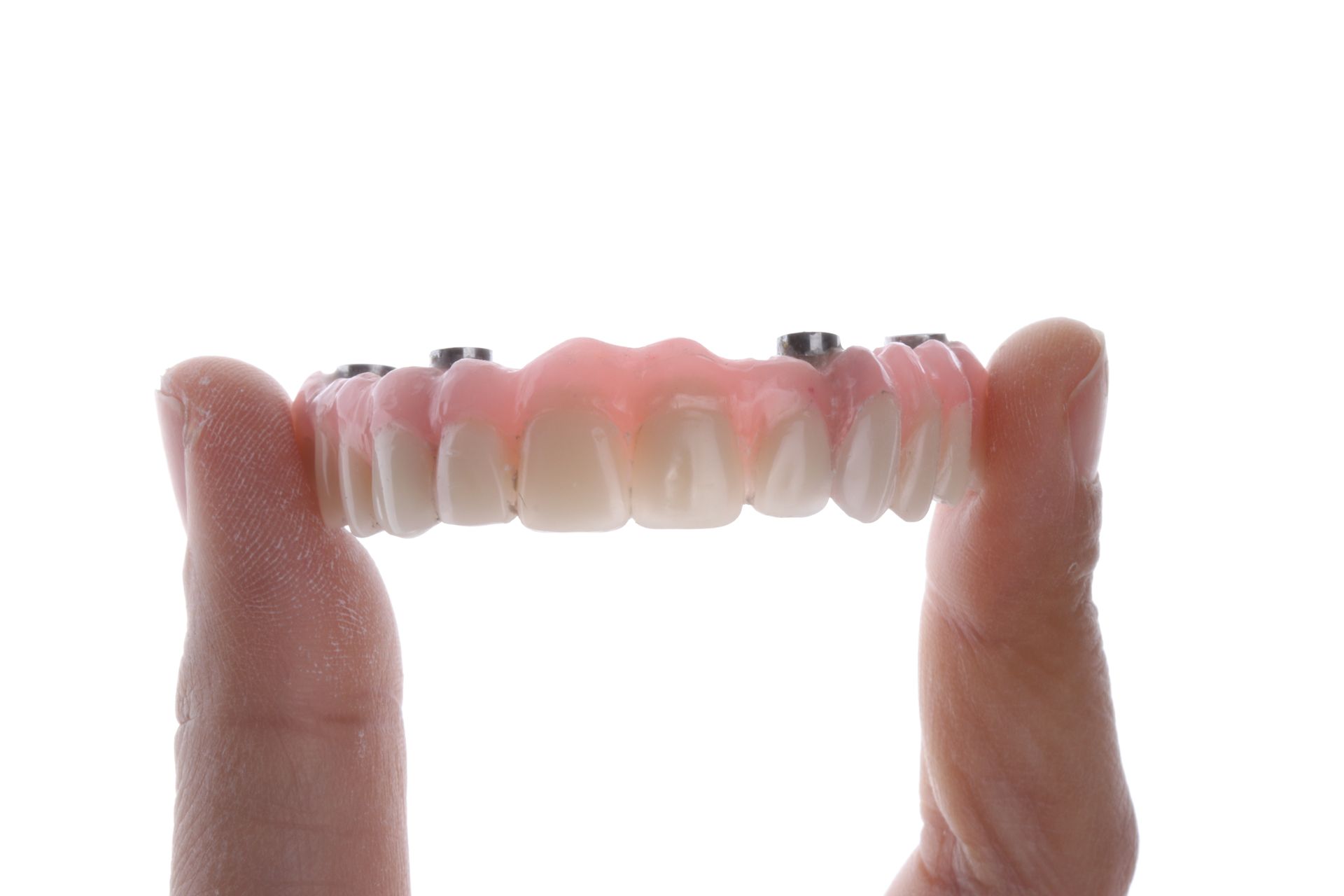
At Chesapeake Family and Implant Dentistry, in Chesapeake, VA, Harry Squire, DDS, specializes in replacing missing teeth with a full menu of options, including dental implants, implant-supported dentures, and All-on-4 and All-on-6 implants.
In this blog, Dr. Squire explains why filling gaps left in your mouth is essential to preserving your oral health.
Missing teeth that aren’t replaced can lead to:
Gum disease
Gum disease, or periodontal disease, is caused by bacteria in dental plaque. When plaque builds up, bacteria can spread below the gumline and eventually invade the jawbone. This inflammation destroys the tissues in the mouth, leading to tooth loss and gum recession.
Gum disease is usually the result of poor oral hygiene. But when you’re missing, shifting teeth can also affect your gums.
Tooth decay
A hard exterior called enamel protects your teeth. When this enamel becomes damaged or decayed, bacteria can spread inside the tooth and cause painful infections.
Like gum disease, tooth decay is caused by plaque buildup. The bacteria in plaque produce an acid that attacks tooth enamel. Plaque's sticky nature enables it to adhere to teeth, where it gradually breaks down enamel. Eventually, decay—also known as a cavity—forms.
When teeth are missing, tartar buildup and tooth decay may increase because the remaining teeth shift, making them more difficult to clean.
Excessive wear
Some wear on your teeth is natural, but the breakdown caused by missing teeth can exceed what’s considered normal and lead to problems.
Wear on your teeth is typically caused by erosion, external forces, and grinding. Grinding is when your upper and lower teeth rub against each other. When your teeth shift because of a gap caused by missing teeth, they may rub together in different spots because their alignment is off, which causes tooth wear and loss of enamel.
As your enamel becomes thinner, you can experience tooth sensitivity or pain, chipped and fractured teeth, and difficulty chewing. It can also lead to spaces between your teeth and shorten the tooth itself.
Bite-related problems
Missing teeth can cause your bite to become misaligned as the structure in your mouth changes. When your bite isn’t properly aligned, it can cause problems beyond eating and speaking, including tooth damage; it can also lead to temporomandibular joint (TMJ) syndrome and chronic headaches.
The temporomandibular joint connects your jaw and skull. When your bite is out of alignment, you can experience a variety of TMJ symptoms, including:
- Earaches
- Pain in your temples
- Pain in your jaw
Bite-related problems can also cause chronic headaches. Your jaw muscles have to work harder to compensate for upper and lower teeth that don’t fit together properly. The average person swallows more than 2,000 times each day, so when teeth are misaligned, it puts added strain on the facial muscles. As your muscles begin to ache from overuse, the pain radiates throughout your nerves, resulting in a headache.
Bone loss
Bone loss is a serious side effect of tooth loss. Even losing a single tooth and not replacing it can lead to this severe condition.
Your teeth and their roots stimulate your jawbone through the pressure caused by chewing. When a tooth is missing, your gums shrink in that spot, and your jawbone reabsorbs in the empty space. As this area deteriorates, surrounding teeth also shift to fill the space left by your missing tooth.
Dental implants are the ideal way to prevent bone loss if you're missing teeth. This type of artificial tooth is anchored into the jaw using a titanium screw that simulates a tooth’s root.
In addition to implants, there are multiple options available to replace missing teeth and preserve the structural integrity of your mouth. To learn which treatments are right for you, contact Dr. Squire at Chesapeake Family and Implant Dentistry today.